
The Thrill of Chance
The allure of casino games often hinges on the thrilling nature of chance. Players are drawn to the unpredictability that games of luck offer, where fortunes can shift in an instant. This element of unpredictability activates the brain’s reward system, triggering the release of dopamine, a neurotransmitter associated with pleasure and reward. The anticipation of winning can create a euphoric sensation, which many players find irresistible, resulting in repeated visits to gaming establishments and exploring options like the best online casino in new zealand that cater to their desires. This psychological draw is a powerful motivator, encouraging people to engage in risk-taking behavior, even when the odds are not in their favor.
Furthermore, this thrill can lead to a phenomenon known as “variable reinforcement,” where individuals become conditioned to seek out the excitement of unknown outcomes. Unlike fixed rewards, variable rewards create a heightened sense of anticipation, making the gaming experience more engaging. For example, slot machines often incorporate this mechanism, providing unexpected payouts that keep players playing for extended periods, even when losses occur. This unpredictability not only maintains players’ interest but also creates a cycle of hope and disappointment that can be difficult to break, leading to prolonged gaming sessions.
The psychology of chance is not restricted to traditional games; it extends to online platforms where the thrill can be experienced from the comfort of home. The convenience of online gaming does not diminish the psychological impact of chance; rather, it offers an even more significant opportunity for individuals to engage in risk-taking behavior. The absence of social scrutiny and physical presence may amplify their willingness to take chances, further deepening their connection to the game. This environment fosters a sense of safety and anonymity, allowing players to indulge their desires without the constraints they might feel in a physical casino.
The Role of Environment
The physical environment of a casino plays a vital role in shaping player behavior and enhancing the gaming experience. The layout, lighting, sound, and even scent are meticulously designed to create an immersive atmosphere that encourages prolonged play. For instance, the rhythmic sounds of slot machines, combined with bright lights, foster a sense of excitement and success, regardless of actual winnings. This carefully curated environment can make players feel more at ease, allowing them to indulge in their gaming experience without external distractions. It is this sensory overload that keeps players engaged, creating a feedback loop of excitement and anticipation.
Additionally, casinos often employ a strategy of creating a maze-like layout that encourages exploration. By guiding players through a series of games and attractions, establishments can increase the likelihood of extended visits. This design taps into the psychological principle of “loss aversion,” where players are driven to continue playing to recover losses. The familiar yet stimulating environment keeps players engaged, further solidifying their relationship with the casino. By creating an atmosphere that feels both safe and exhilarating, casinos can effectively maintain player interest and encourage spending.
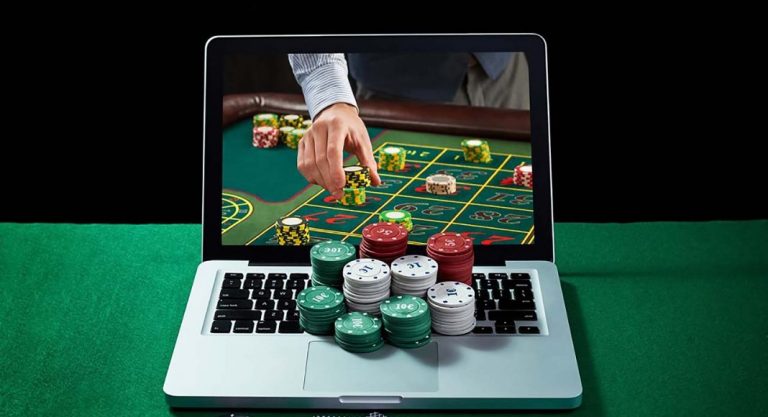
Moreover, the social aspect of casinos adds another layer to the psychology behind the gaming experience. Social interactions can enhance enjoyment and make the experience more memorable. Gamblers often find camaraderie among fellow players, which can provide a sense of belonging and community. This social reinforcement encourages repeated visits and ultimately deeper attachment to the games themselves, as they become associated with positive social experiences. The collective energy within a casino can amplify individual experiences, making wins feel more significant and losses feel less personal.
The Impact of Gamification
Gamification, the integration of game mechanics into non-game contexts, has significantly impacted the design and appeal of casino games. By incorporating elements such as levels, achievements, and rewards, casinos can motivate players to engage more deeply with their offerings. This creates an immersive experience that mimics the satisfaction and progress often found in traditional gaming environments. For instance, accumulating points or awards for regular play not only enhances engagement but also strengthens loyalty to the casino. This psychological mechanism encourages players to return, as they feel a sense of progression and achievement.
The psychological effect of gamification is particularly evident in online gaming platforms, where players are motivated to return and participate in ongoing challenges. This not only fosters a sense of accomplishment but can also lead to compulsive gaming behavior as players strive to reach the next reward tier. The pursuit of achievements can overshadow the original intent of relaxation or socialization, indicating that the gamified environment can significantly alter motivations for play. This shift can create a cycle of continued engagement, reinforcing the desire to play longer and more frequently.
Furthermore, gamification techniques can also create a sense of urgency, encouraging players to act quickly to maximize their potential rewards. Time-limited promotions or exclusive in-game events can induce a fear of missing out (FOMO), propelling players to engage more frequently. This psychological phenomenon can amplify the frequency of gaming sessions and deepen the overall experience, ultimately driving the casino’s success. By leveraging these gamification strategies, casinos can effectively harness player psychology to maximize engagement and revenue.
The Illusion of Control
The concept of an “illusion of control” is a fascinating psychological phenomenon prevalent among casino players. Many individuals believe they can influence the outcome of games through their actions or decisions, a misconception that can lead to greater gambling engagement. This illusion is particularly prominent in skill-based games, where players may feel their expertise affects results. For example, in poker, experienced players often attribute their success to skill rather than chance, leading to an overestimation of their control. This belief can foster a cycle of continued play, as players become more invested in their perceived abilities.

This belief can be further exacerbated by cognitive biases such as the gambler’s fallacy, where individuals think that past outcomes will influence future results. For instance, a player may believe that after a long streak of losses, they are “due” for a win. This mindset keeps players engaged, as they continue to chase the next victory. Understanding these illusions is crucial for both players and casino operators, as they can shape the gaming experience significantly. The perception of control can make losses feel less discouraging, as players convince themselves that their next decision will lead to a win.
Moreover, casinos often exploit this illusion of control through game design. Features such as interactive elements, bonus rounds, and player choices enhance the perception that players have agency over their outcomes. By fostering this belief, casinos can deepen player engagement, leading to increased time spent playing and ultimately higher revenues. This complex interplay between perception and reality underscores the significance of psychological factors within the gaming environment, as operators carefully design experiences to maximize player involvement and spending.
Understanding the Online Gaming Experience
The rise of online casinos has transformed the gambling landscape, providing new opportunities for engagement and interaction. Understanding the psychology behind online gaming is essential for operators looking to attract and retain players. The convenience of digital platforms allows individuals to access a variety of games from anywhere, resulting in significant shifts in behavior compared to traditional casinos. Players often find themselves engaging in gaming sessions for more extended periods, driven by immediate access and the comfort of home. This accessibility can lead to an increase in gaming frequency and duration, as players can easily indulge their interests without the constraints of physical venues.
Additionally, online casinos can leverage player data to tailor experiences to individual preferences. This personalization can enhance the psychological appeal of gaming, as players feel more connected to their experiences. Features such as targeted promotions, customized game recommendations, and social interaction options foster a sense of belonging and community in the virtual space. These strategies can significantly increase player loyalty and satisfaction, underscoring the importance of understanding the online gaming experience. The more players feel catered to, the more likely they are to remain engaged and continue their gaming habits.
Furthermore, online casinos must address the potential risks associated with increased accessibility. While the convenience of online gambling can be appealing, it can also lead to addictive behaviors as players lose track of time and expenditure. Understanding these psychological aspects is crucial for operators, as they navigate the balance between engagement and responsible gaming practices. By prioritizing player well-being, online gaming platforms can create a healthier environment while still catering to the demands of their audience. Implementing responsible gaming measures can ensure that players enjoy their experiences without falling prey to the potential dangers of excessive gambling.